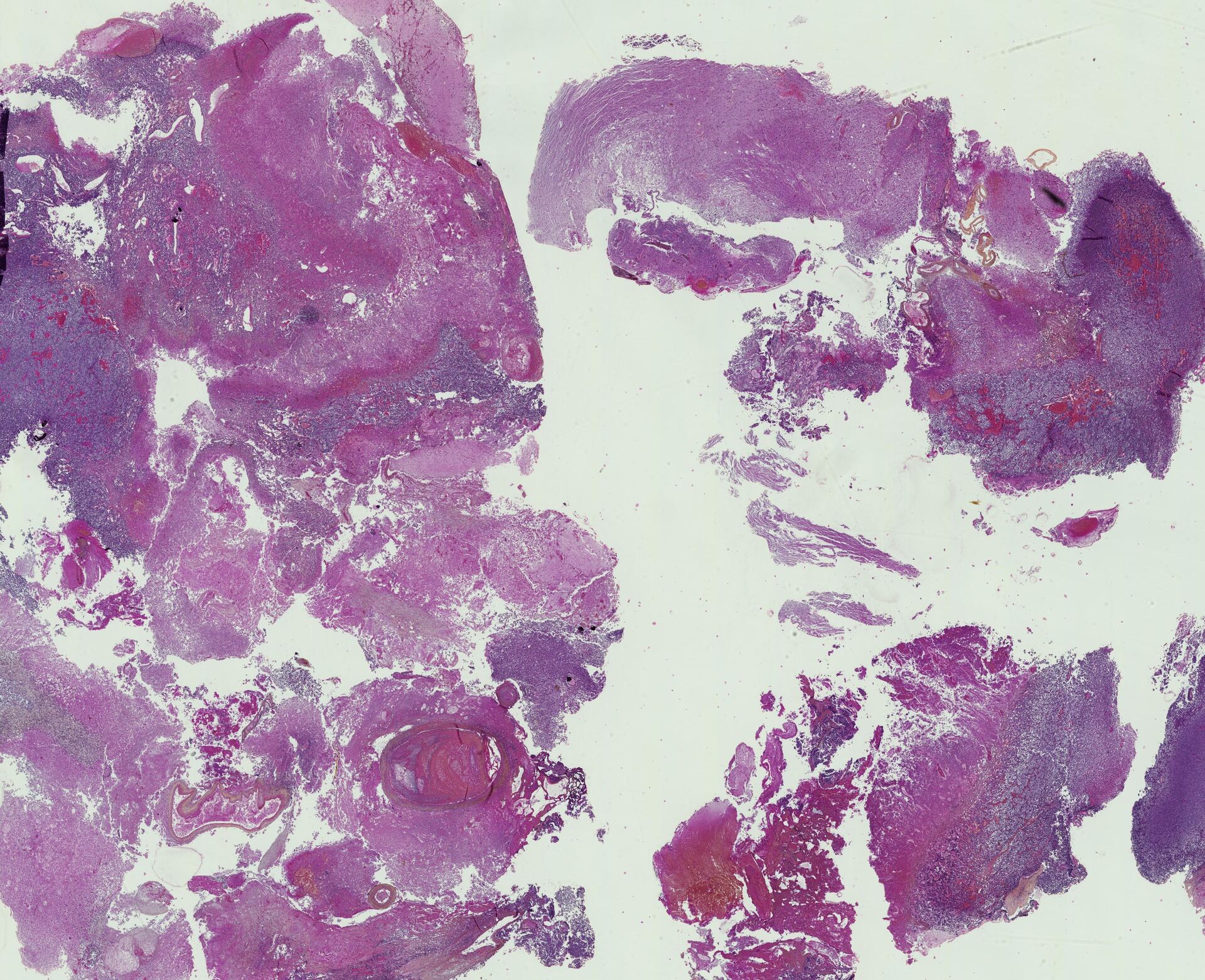
Histology slide Molecular structure Brain imaging DNA strand Neural network
3Articles
2Preprints
2Posters
2023PhD since

About me

Personal photo

Hello there! I am Lucas, currently a PhD student at the Paris Brain Institute (ICM) and researcher at Columbia University Irving Medical Center, specializing in Genetics and Tumor Development. My research primarily focuses on Primary Central Nervous System Lymphoma (PCNSL), where I leverage both image and omics data. Drawing on my background in mathematics and computer science, I employ applied AI techniques to address challenges in patient diagnosis.
My role at the ICM does not only fulfill my passion for research and applied mathematics but also provided me with invaluable opportunities to apply these skills to the dynamic and important landscape of medical healthcare.
Personal photo

About me

Hello there! I am Lucas, currently a PhD student at the Paris Brain Institute (ICM) and researcher at Columbia University Irving Medical Center, specializing in Genetics and Tumor Development. My research primarily focuses on Primary Central Nervous System Lymphoma (PCNSL), where I leverage both image and omics data. Drawing on my background in mathematics and computer science, I employ applied AI techniques to address challenges in patient diagnosis.
My role at the ICM does not only fulfill my passion for research and applied mathematics but also provided me with invaluable opportunities to apply these skills to the dynamic and important landscape of medical healthcare.
Research

2026

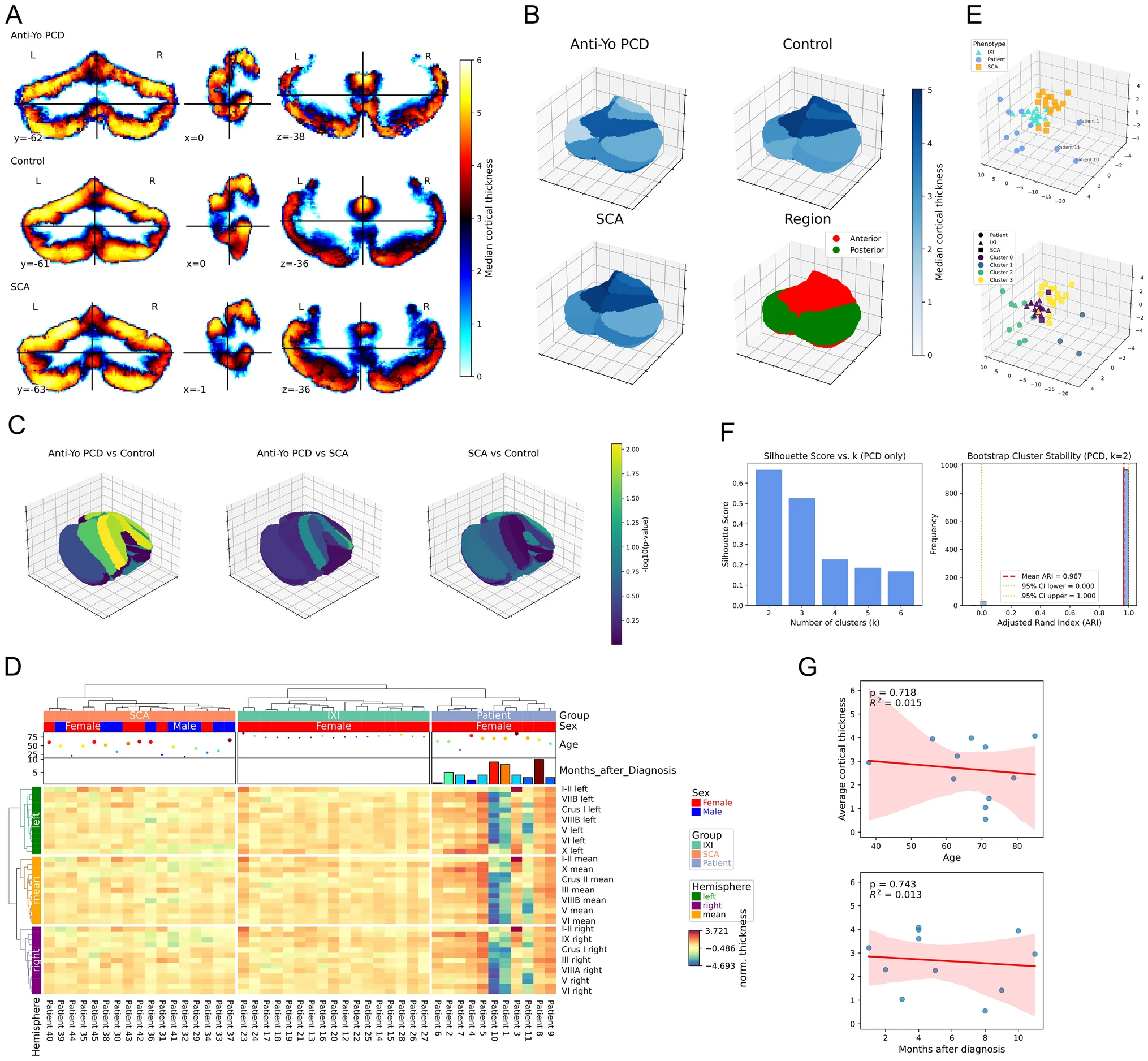
Spatial analysis of paraneoplastic cerebellar degeneration in ovarian cancer with anti-Yo syndrome and SCA1. [Article]

Abstract: Anti-Yo paraneoplastic cerebellar degeneration (PCD) is a rare autoimmune disorder linked to ovarian and breast cancers. Neurological symptoms often precede cancer diagnosis, yet conventional imaging techniques may fail to detect early cerebellar changes. This study quantitatively assessed cerebellar atrophy and network alterations in anti-Yo PCD patients compared to healthy controls and patients with spinocerebellar ataxia type 1 (SCA1).
Methods. We analyzed structural MRI data from 11 anti-Yo PCD patients, 17 healthy controls, and 17 SCA1 patients. Cerebellar lobular segmentation and cortical thickness measurements were conducted. Structural covariance networks were built using inter-lobular Pearson correlation coefficients (threshold |r| > 0.5), with graph theory metrics assessing connectivity. Univariate and age-adjusted multivariate analyses evaluated group differences, and machine learning assessed the discriminative power of regional morphometric measures.
Results. Anti-Yo PCD patients showed pronounced anterior cortical thinning, while SCA1 atrophy was milder and more posterior. Two PCD subtypes emerged: one with severe atrophy, another with near-normal thickness. Network analysis revealed increased node strength and clustering coefficients, but reduced betweenness centrality in PCD, suggesting altered network hierarchy and widespread clustering that may reflect pathological reorganization. In cross-validated analysis, regional cerebellar features distinguished PCD, SCA1, and controls with promising AUC values.
Conclusions. Anti-Yo PCD is characterized by anterior cerebellar vulnerability and network reorganization distinct from SCA1. These morphometric and connectivity markers are candidate imaging biomarkers for early diagnosis and subgroup stratification in paraneoplastic cerebellar degeneration.

antiYo article

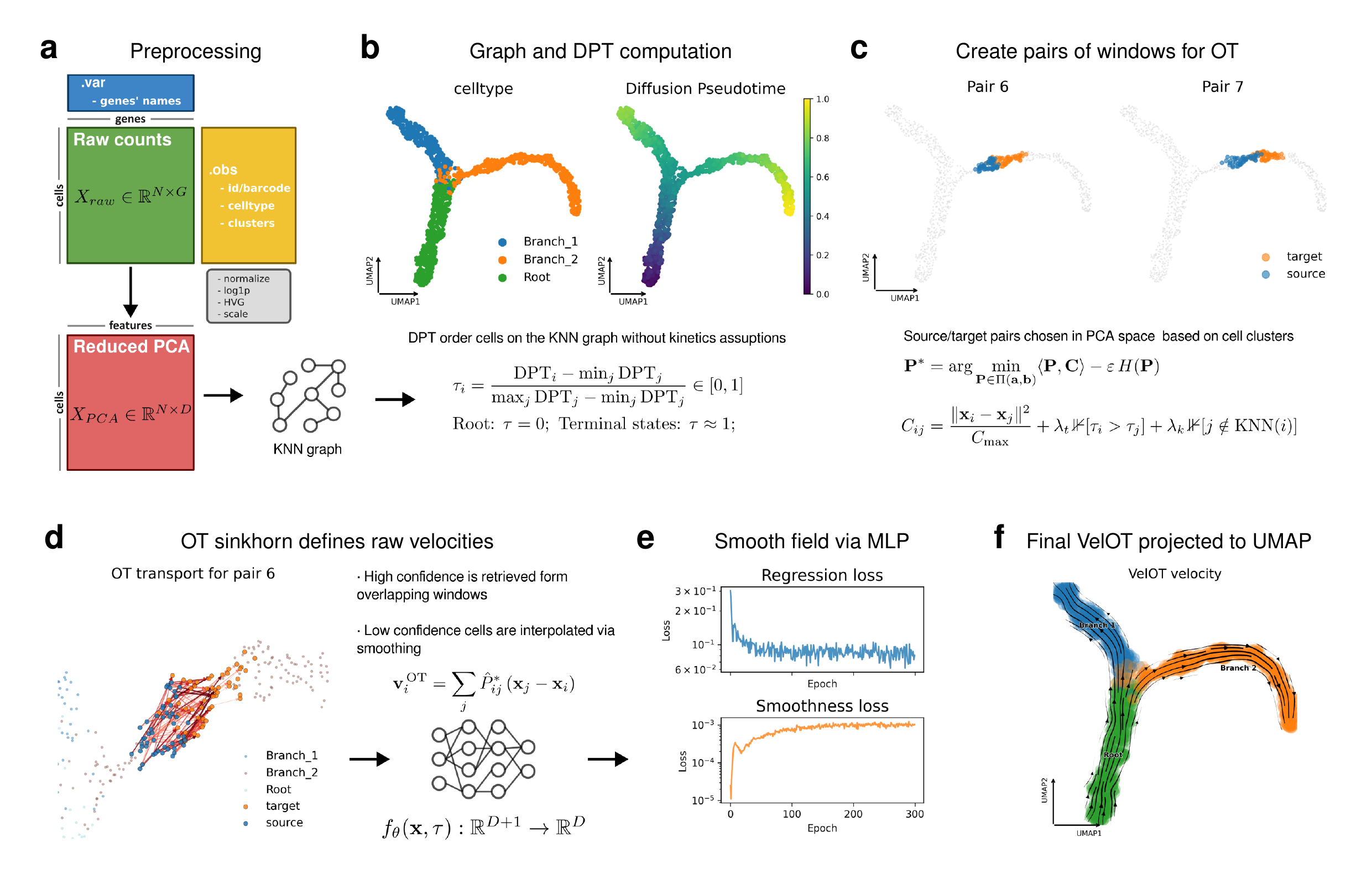
VelOT: kinetic-free RNA velocity inference via optimal transport, flow-field smoothing, and VAMP coarse-graining of cellular dynamics. [Preprint]

Abstract: Inferring cellular dynamics from snapshot single-cell RNA sequencing remains difficult when spliced and unspliced counts are sparse or unreliable. We present VelOT, a kinetic-free RNA velocity framework that formulates dynamics as local optimal transport on the gene-expression manifold. VelOT orders cells by diffusion pseudotime, constructs overlapping spatial-temporal windows, estimates displacement vectors with entropy-regularized transport, and smooths them with a lightweight neural flow field. A downstream VAMP-based MetaFlow module learns soft meta-states and a directed PAGA-like graph, identifying initial, terminal, branching, and cycling regimes with committor probabilities. Across four real benchmarks and three synthetic topologies, VelOT outperforms scVelo, DeepVelo, and FluxMatching in cross-boundary directionality and intra-cluster coherence while remaining computationally efficient. In adult oligodendroglioma scRNA-seq, VelOT recovers stem-like to astrocyte-like and oligodendrocyte-like differentiation axes without kinetic inputs. VelOT reframes RNA velocity within scRNA-seq as a geometry and transport problem that does not require kinetic modeling.

Velot pipeline

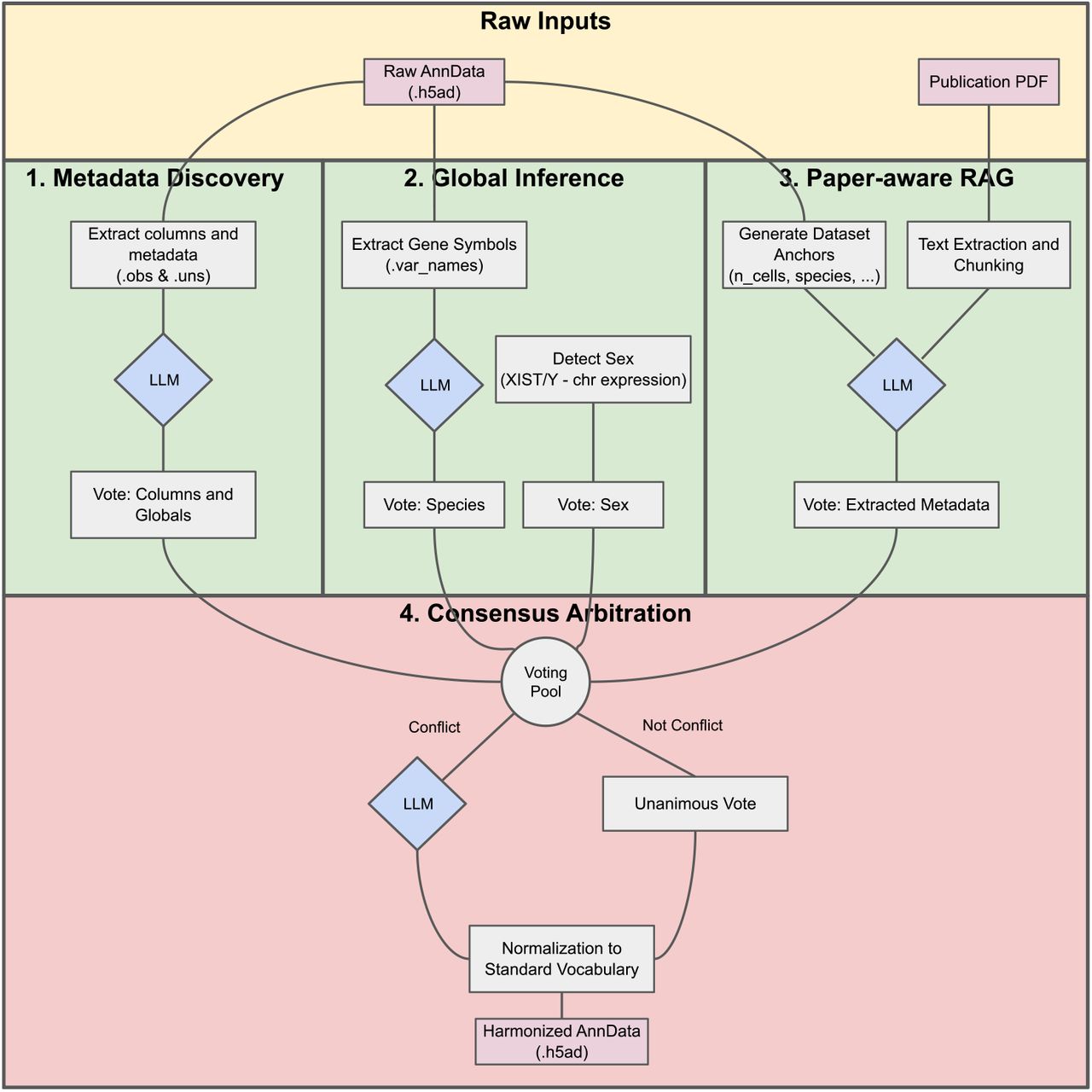
h5adify: neuro-symbolic metadata harmonization enables scalable AnnData integration with local large language models. [Preprint]

Abstract: We present h5adify, a neuro-symbolic toolkit that combines deterministic biological inference with locally deployed large language models to transform heterogeneous AnnData objects into schema-normalized, integration-ready representations. The framework performs metadata field discovery, gene identifier harmonization, optional paper-aware extraction, and consensus resolution with explicit uncertainty logging. Benchmarking four open-weight model families deployed through Ollama (Gemma, Llama, Mistral, and Qwen) demonstrates that small local models achieve high semantic accuracy in metadata resolution with low hallucination rates and modest computational requirements. In controlled simulations introducing annotation noise into single-cell and Visium-like datasets, harmonization improves integration benchmarking and reduces spurious batch effects. Application to sex-annotated glioblastoma datasets recovers biologically coherent microenvironmental patterns and cell type–specific genomic differences not explained by differential expression alone.

Velot pipeline

2025

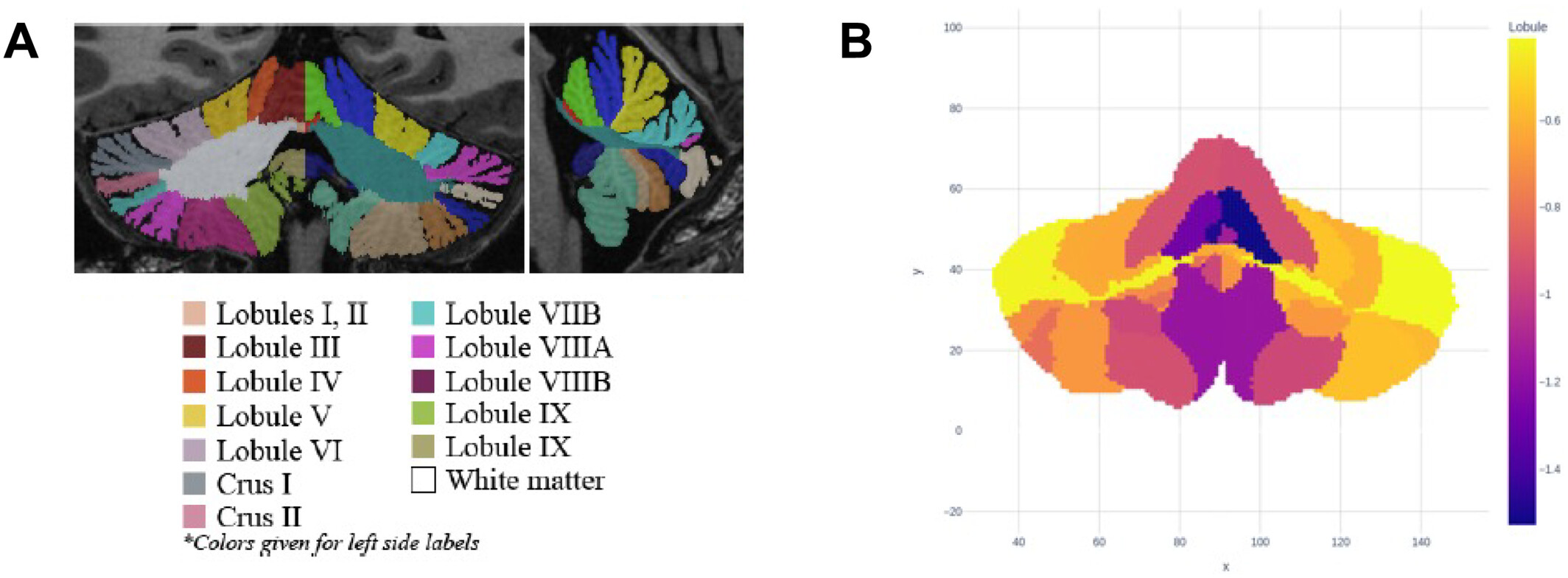
Quantitative Brain MRI Analysis in Neurodegenerative Langerhans Cell Histiocytosis. [Article]

Abstract: Neurodegenerative Langerhans Cell Histiocytosis (ND-LCH) is a severe central nervous system involvement complicating LCH. ND-LCH is characterized by a cerebellar ataxia, pyramidal signs, pseudobulbar palsy, cognitive impairment, and behavioral disturbances. Cerebellar atrophy, the most common MRI finding, has been widely described in the literature. However, the natural history of volumetric changes in the cerebellum has never been examined. In this study, we aim to perform a quantitative analysis of cerebellar atrophy in ND-LCH patients compared to a control cohort.

Histiocytosis article

Gut microbiome modulates the outcome in primary central nervous system lymphoma patients undergoing chemotherapy: An ancillary study from the BLOCAGE trial. [Article]

Abstract: Primary central nervous system lymphoma (PCNSL) treatment relies on a high-dose methotrexate-based chemotherapy (HD-MTX-based CT) regimen; however, whether there is a specific microbiota composition association with treatment response and clinical outcomes remains incompletely understood.

Microbiome article

2024

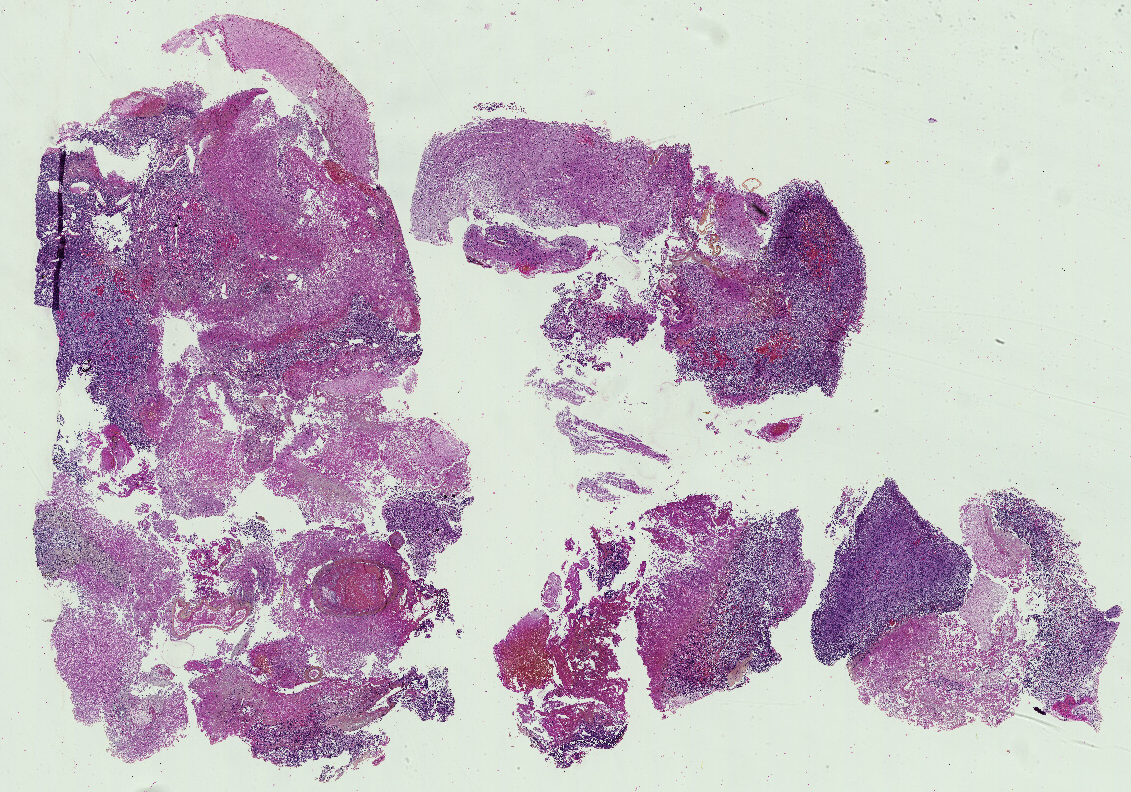
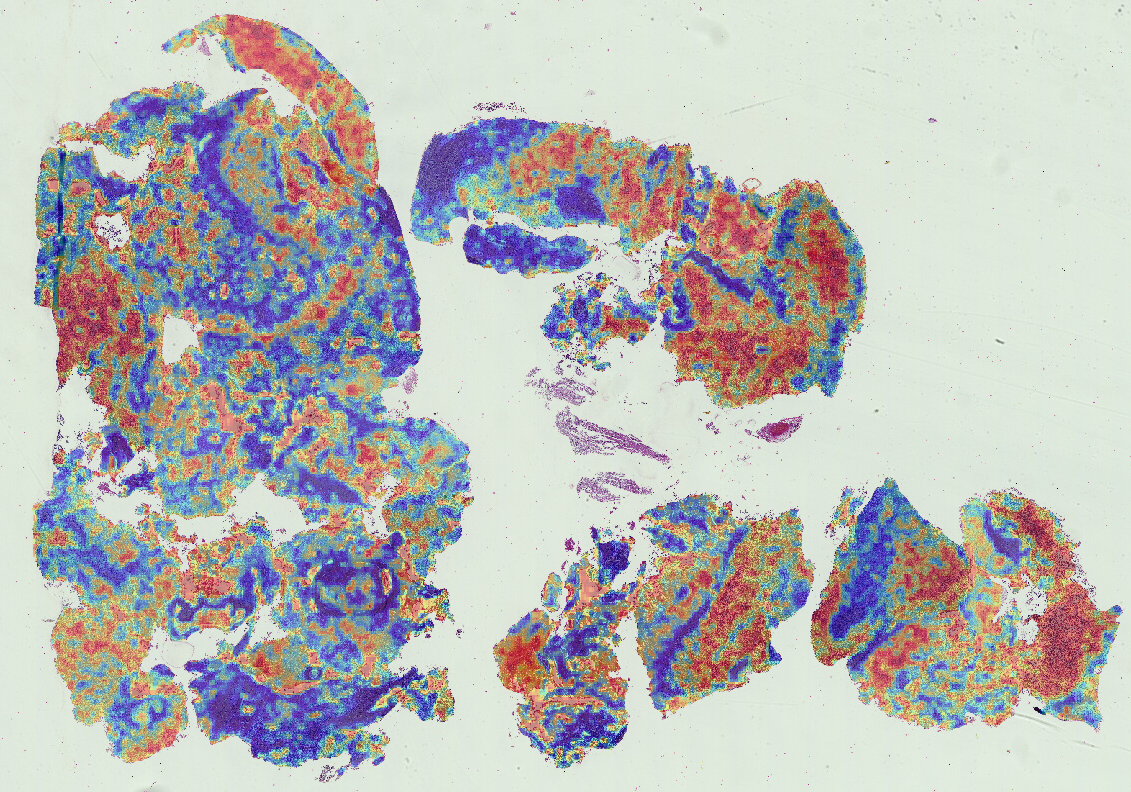
Models for Gliomas Histopathology Image Classification. [Poster]

Abstract: Diffusely infiltrating gliomas in adults are currently classified into WHO grades I–IV, reflecting varying malignancy levels. Recent advances have led to a refined classification of diffusely infiltrating gliomas in adults into three groups: IDH-mutant, 1p/19q codeleted tumors (best prognosis), IDH-mutant, 1p/19q non-codeleted tumors (intermediate prognosis), and IDH wild-type tumors (poor prognosis). This study aims to use a deep learning (DL) image classification model on histopathology images from various cohorts to predict glioma grade, IDH status, and 1p/19q codeletion.

Histopathology Image Heatmap Image

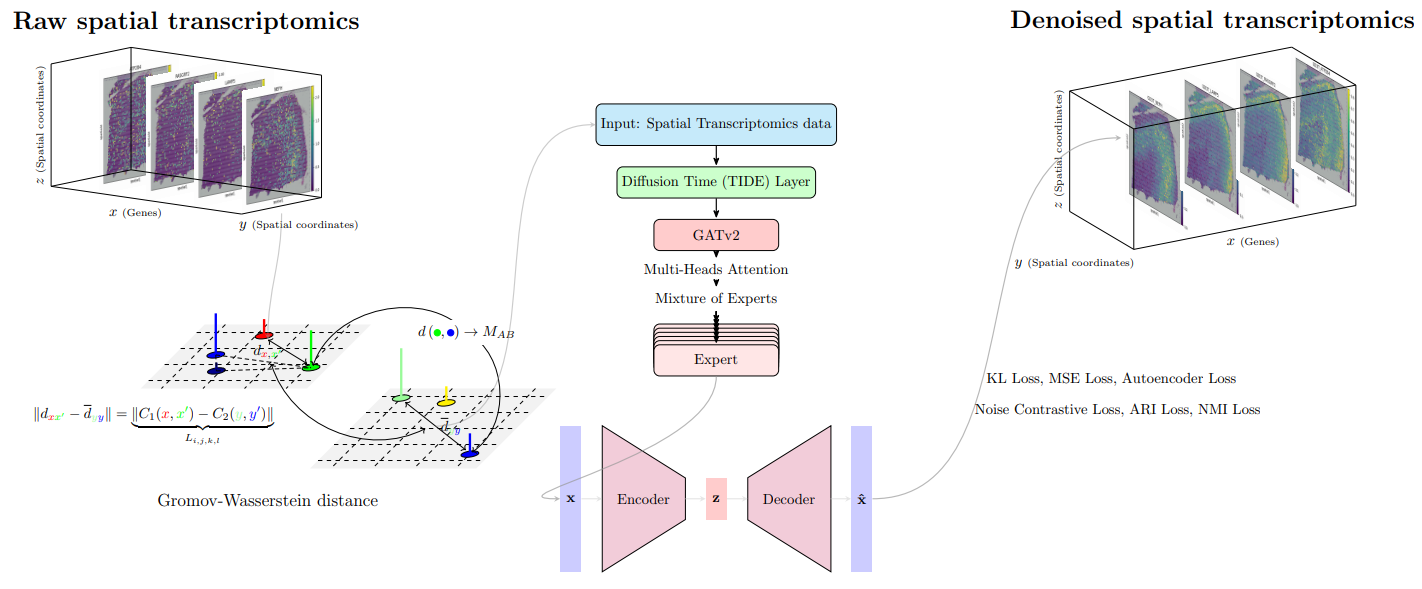
Spatially-resolved transcriptomics meets Deep Learning: denoising omics data matrix using Optimal Transport and Graph Attention Networks. [Poster] [Slides]

Abstract: In this study we introduce a novel deep learning model for denoising spatial transcriptomics RNA sequencing data, leveraging the power of optimal transport and graph attention mechanisms. We called our model Graph Attention with Optimal Transport, Transformers and Time diffusion (GO3T) which combines the mathematical accuracy of optimal transport to compute distance similarities with the dynamic learning capabilities of graph attention networks. This integration effectively mitigates noise and preserves spatial gene expression patterns. To validate our model's performance, we conducted a comprehensive benchmark against state-of-the-art methods such as GraphST, SpaGCN, and STAGATE as well as ScanPy. Our results demonstrate superior clustering metrics, highlighting the model's ability to maintain biological relevance.

GO3T Architecture Image

2023

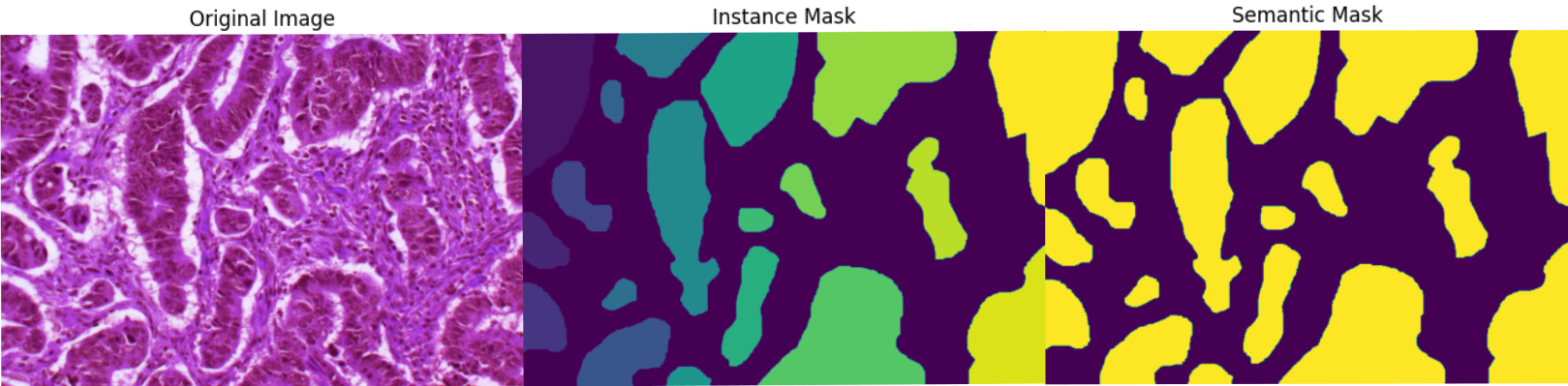
2D and 3D Analysis of Microscopy Images. [Pdf]

Abstract: This document collects the work during the second year master internship at the Brain Institute of Paris (ICM) associated to the M2 master studied at Sorbonne University. The main objective has been the study and analysis of 2D and 3D brain cell images. More precisely, the segmentation and tracking of this cells as it can give essential information about the migration and behaviour of tumors. Several models for two-classes semantic segmentation have been compared in 2D datasets and instance segmentation has been performed using Mask-RCNN. Future work aims at expand it to 3D datasets working with different object representation like point clouds or meshes instead of stack images and perform tracking on both 2D and 3D datasets.

Segmentation Image

2022

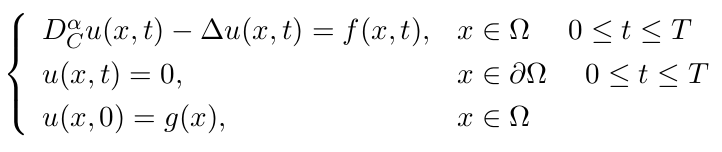
Numerical study of the fractional time diffusion equation. [Pdf]

Abstract: The main objective of this work is the study of the fractional time diffusion equation. The Caputo fractional derivative will be used for this purpose. In the first part of the study a time scheme discretization will be applied to the fractional derivative, known as L1 scheme, and properties such as stability, consistency and convergence will be studied for classical solutions. The main result is the O ( τ 2 α ) error for solutions with adequate regularity, where alpha is the order of the fractional derivative. Later, in the next two sections the space discretization will be added, so we end up with two different schemes: implicit and explicit. The last one will be dismissed as the CFL consistency condition is too restrictive. Closing the theoretical study, the next section is dedicated to weak solutions of the problem. Finally, last section is centered in the numerical study of the implicit scheme, using example solutions with and without sufficient regularity as to test if the errors are the ones derived from theory.

Diffusion Equation Image

Curriculum Vitae

Sep 2025 - Nov 2025

Visiting Researcher

Columbia University Irving Medical Center

Nov 2023 - Present

PhD Student in Bioinformatics

Paris Brain Institute & Université Paris Saclay

Apr 2023 - Oct 2023

Internship in Computer Vision

Paris Brain Institute

2022 - 2023

Master in Applied Mathematics

Université Sorbonne, Paris

2017 - 2022

Bachelor in Mathematics

Universidad Complutense de Madrid

2017 - 2022

Bachelor in Physics

Universidad Complutense de Madrid

Interests

  • Artificial Intelligence
  • Computer Vision
  • RNA sequencing
  • Histopathology analysis